















How to Dress a 3–6-Month-Old Baby for Different Weather
Arun Kumar
Your four-month-old is comfortable in a half-sleeve romper at home. Then you spend forty minutes in an air-conditioned clinic, and by the time you leave, the afternoon sun is out. You can dress for that whole trip with one base outfit, a light layer in the bag and a little shade on the way home.
On a hot day indoors, start with one light layer. In cooler conditions, add a layer you can take off easily. To decide whether to adjust, slip two fingers inside the neckline and feel your baby’s chest or the back of their neck. Warm and dry is comfortable. If their skin feels hot or sweaty, remove a layer and move somewhere cooler.
What should a baby wear on a hot or humid day?
For an afternoon at home, try a lightweight half-sleeve cotton romper over the nappy. When the room is already hot, you can skip the vest underneath. Feel the fabric before choosing between two outfits. A thin cotton top and shorts may be cooler than a thick cotton romper with lining, even though the set has two pieces.
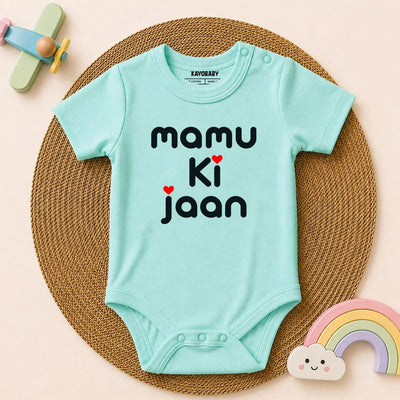
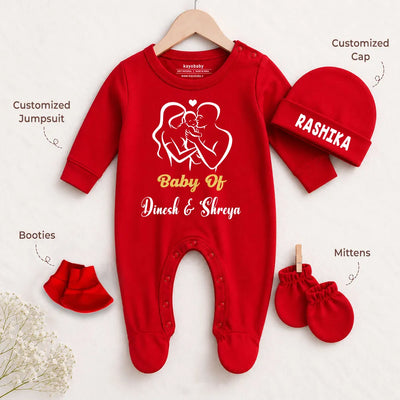
Think about where you’ll change the next nappy, too. A romper with bottom snaps lets you leave the top half on while you change your baby. If you want one garment to wear at home and under trousers on cooler outings, check the sleeve length and leg openings in KayoBaby’s cotton romper collection.
For a daytime outing, keep babies under six months out of direct sunlight. Choose shade, lightweight clothing that covers the arms and legs, and a brimmed sunhat. On a pram, use the fitted sunshade or a parasol and leave the opening clear so air can circulate. Even a thin muslin draped across the front can trap heat.
What changes during the monsoon?
Rain can cool a room quickly or leave it warm and sticky. When you come inside, put a hand behind your baby’s shoulders. A romper can look dry across the chest while the back is damp from being carried. Change damp clothing before deciding whether your baby needs anything warmer.
For a rainy outing, keep these three things together near the top of the changing bag so you can reach them with one hand.
- A complete dry outfit gives you a fresh layer if rain gets past the umbrella or a nappy leaks.
- A light cardigan can go over dry clothes if the room cools after a shower.
- A separate pouch for wet clothes keeps the damp outfit away from your last dry change.
At home, check the thicker parts of freshly washed clothes. A cotton romper may feel dry across the front while the neck binding and the fabric around the snaps are still damp. Give those areas time to dry before putting it back in the drawer.
What should my baby wear in AC or mild weather?
For a short visit to an air-conditioned shop, take a cardigan that opens at the front. If your baby’s chest stays comfortably warm in the romper, the cardigan can stay in your bag. If their chest feels cool, slip it on. A seat away from the direct blast of the AC can also make the visit more comfortable.
On a mild morning, soft trousers over a bodysuit-style romper give bare legs some coverage. When the afternoon warms up, you can take the trousers off without pulling anything over your baby’s head. For lunch at Mamu’s house, that works just as well with a family print like our Cool Like My Mamu cotton romper.
How should I layer clothes on a cold day?
For a chilly winter walk, start with a long-sleeve bodysuit, trousers and socks. Add a jumper or cardigan and an outdoor hat as conditions call for them. One more thin layer than you need yourself is a reasonable starting point in cold weather. Check again when you bring your baby into a heated room, and take off the outdoor hat.
For a car journey, remove a padded coat or snowsuit before buckling the harness. Thick padding can flatten in a collision and leave space beneath the straps. Use thin layers under the harness. If your baby needs more warmth, place a blanket over the buckled straps, keep their face clear and remove it as the car warms up.
What should a 3–6-month-old wear to sleep?
Choose sleepwear for the room where your baby will nap or spend the night. A light sleep garment may be enough in a warm bedroom. In a cooler room, a well-fitting, unweighted sleep bag can add warmth. Check the maker’s guide for the room temperature, the bag’s warmth rating (tog) and what to wear underneath. The neck and shoulder openings should fit closely enough to keep your baby from slipping inside.
Stop swaddling as soon as your baby shows any attempt to roll, even if they have yet to roll all the way over. Choose sleepwear that leaves their arms free. Put them down on their back on a firm, flat mattress with a fitted sheet. Keep their head uncovered and loose blankets, pillows and toys out of the cot.




Leave a comment